Cincinnati Market Update, April 2026: Building Boom and Higher-for-Longer Rates
March in Cincinnati was not a slow news month. A billion-dollar GE Aerospace commitment, the highest multifamily construction quarter in two years, a freshly reopened Convention Center, and an $800M downtown district underway. The fundamentals are doing what fundamentals are supposed to do.

The capital stack is shifting
The more instructive stories were not the headlines.
- A $100M+ riverfront project scaled from 195 to 342 units in a single phase, absorbing full infrastructure costs upfront.
- A new fund from Arcadia and Neyer Properties is targeting the $2M to $5M check size in deals most institutional money will not touch.
- A neighborhood grocery anchor is facing its second foreclosure, which raises a real question about what "community asset" means when the capital runs dry.
These signals matter for cycle positioning, beyond top-line growth.
What the investor rooms are saying
Four Cincinnati events ran back to back in late February, including the Best Ever Cincinnati Meetup and the 10th Annual CRE Summit. The signals coming out of every room were consistent:
- Out-of-state capital is chasing scale.
- AI-enabled operators are widening their competitive edge.
- 35 new developments are coming, and not every submarket is positioned to absorb that supply equally.
Rates, repricing and where the numbers work
Wells Fargo and JPMorgan have both revised to zero Fed rate cuts in 2026, with JPMorgan forecasting that the next move is a hike in 2027. The Fed held at 3.5% to 3.75% for a second consecutive meeting in March, with the Iran war keeping oil elevated and inflation above the 2% target. Bond traders ended that week pricing in no easing this year after better-than-expected March jobs data sent yields higher. Investors still waiting on mid-2026 easing should treat that assumption as suspended.
Elevated rates compress the buyer pool for residential real estate nationally. Fewer owner-occupants can qualify, and fewer institutional investors can make the math work. For teams that are already capitalized, already underwriting, and already in the market, that friction creates the opportunity.
Why Cincinnati's numbers work
- RentCafe named Cincinnati the number one hottest rental market heading into 2026, with an 81% year-over-year jump in apartment demand.
- The median sold price reached $300,000 in January, up 10% year over year.
- The supply of entry-level homes in the $200K to $300K range continues to shrink as builders focus on higher-end product.
- Multifamily occupancy sits at 94.1%, above the national benchmark, and the new construction pipeline is expected to decline sharply through the rest of the year.
Durable rental demand, tightening supply, and a thin buyer pool are the conditions value-add operators are built to work in. Every distressed property repositioned at an accessible price point fills a gap new construction is not filling.
The operators who move while seller leverage is high and competition is limited are acquiring into a market the macro environment is reinforcing. For the earlier read on this market, see Cincinnati real estate in 2026.
Originally published in the Cincy Cash Flow Report on April 9, 2026.
Keep reading

Cincinnati Real Estate in 2026: Strong Demand, Tighter Execution
Cincinnati demand across housing, infrastructure and capital programs is intact. Power access, approvals and governance now decide who gets deals done.
3 min readRead →
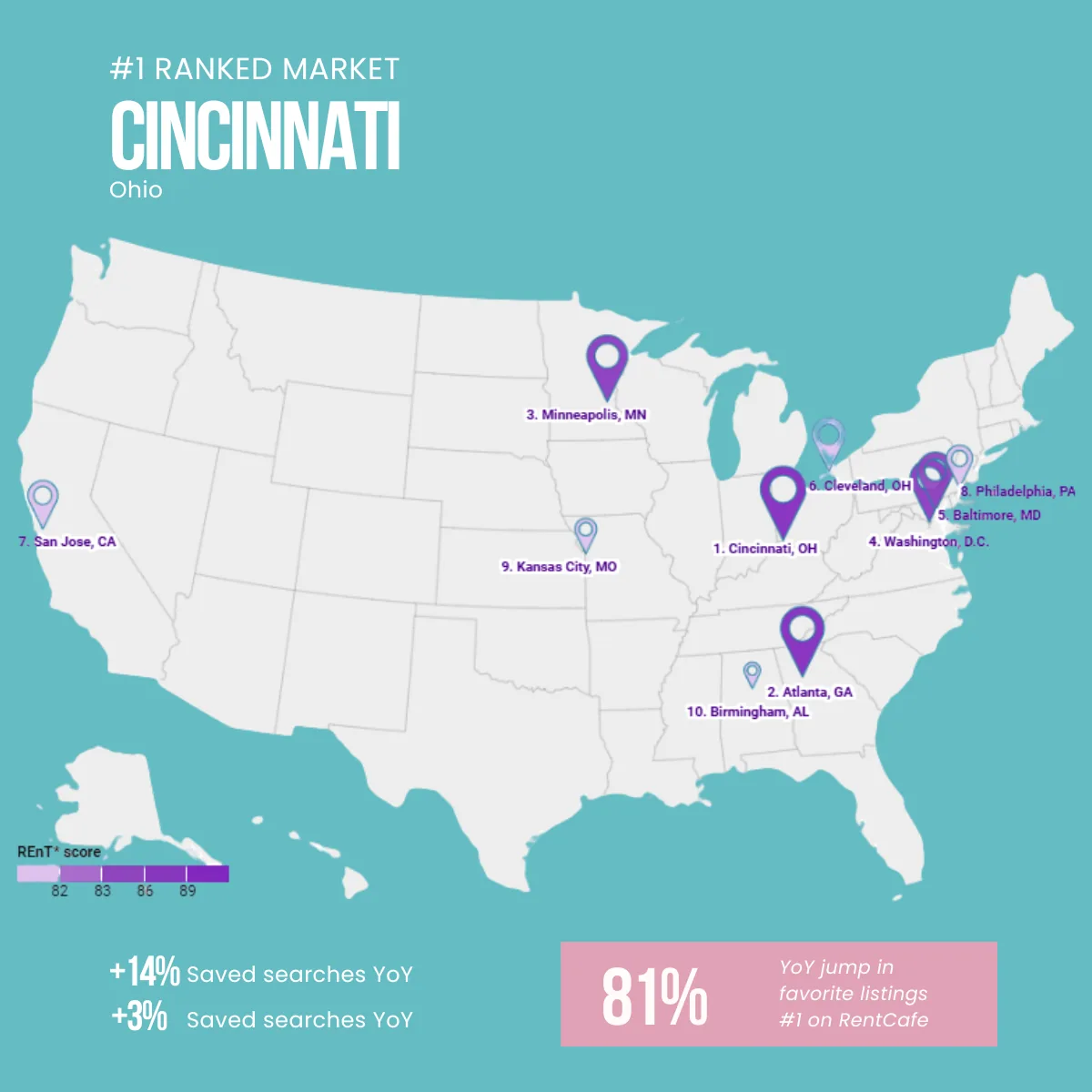
Cincinnati Named the No. 1 Rental Market in the U.S. for 2026
RentCafe ranked Cincinnati the No. 1 U.S. rental market. Renter migration, logistics and hospitality capital, and a narrowing window to buy on local mispricing.
2 min readRead →
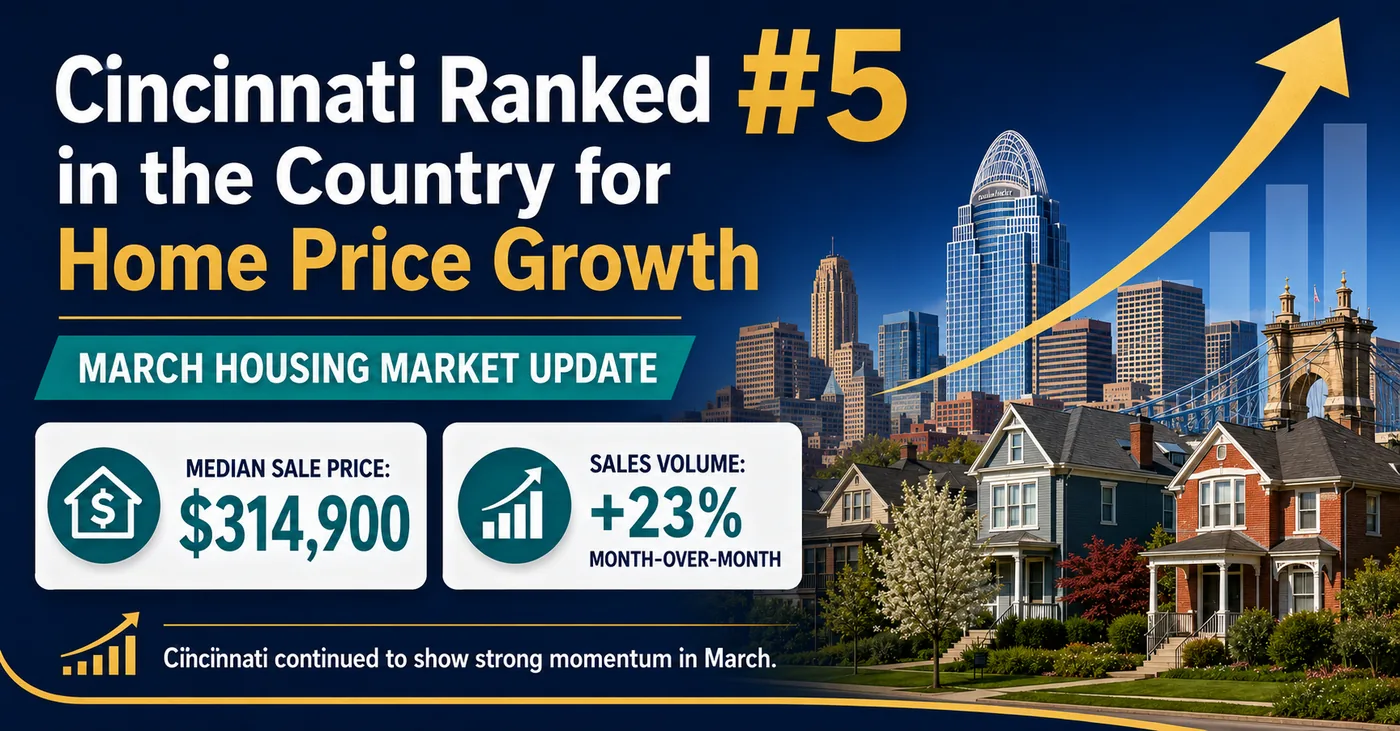
Cincinnati Housing Market Update, May 2026: Prices, Inventory and Public Capital
Median prices up 6.7% year over year, inventory at 1.9 months and days on market at 36. Why Cincinnati is compressing faster than the headlines suggest.
2 min readRead →